


Breaking in classic thick-soled snow boots is an essential process that can significantly enhance your comfort and overall experience during the cold winter months. As a supplier of high-quality classic thick-soled snow boots, I understand the importance of this process and am here to share some valuable insights and tips to help you break in your boots effectively.
Understanding the Need for Breaking In
Classic thick-soled snow boots are typically made from durable materials such as leather, rubber, and synthetic fabrics. These materials are designed to provide excellent insulation, waterproofing, and support, but they can also be quite stiff and rigid when new. Breaking in your boots helps to soften the materials, mold them to the shape of your feet, and reduce the risk of blisters, discomfort, and foot fatigue.
Preparing Your Boots for Breaking In
Before you start wearing your boots, it's important to prepare them properly. Here are some steps you can take:
- Clean the Boots: Use a soft brush or cloth to remove any dirt, dust, or debris from the surface of the boots. This will help to prevent the accumulation of grime and ensure that the boots are clean and ready for use.
- Condition the Leather: If your boots are made from leather, it's a good idea to apply a leather conditioner to help soften the material and prevent it from drying out. Follow the instructions on the conditioner carefully and apply it evenly to the surface of the boots.
- Stretch the Boots: If your boots feel tight or uncomfortable, you can try stretching them using a boot stretcher or a stretching spray. These products can help to expand the leather and make the boots more comfortable to wear.
Breaking In Your Boots Gradually
One of the most important things to remember when breaking in your boots is to do it gradually. Wearing your boots for long periods of time right away can cause blisters, discomfort, and foot fatigue. Instead, start by wearing your boots for short periods of time, such as 30 minutes to an hour, and gradually increase the amount of time you wear them each day.
Here are some tips to help you break in your boots gradually:
- Wear Socks: Wear thick, comfortable socks with your boots to help cushion your feet and reduce the friction between your feet and the boots.
- Walk on Soft Surfaces: Start by walking on soft surfaces, such as grass or carpet, to help break in the boots without putting too much pressure on your feet.
- Avoid Strenuous Activities: Avoid wearing your boots for strenuous activities, such as hiking or running, until they are fully broken in. This will help to prevent blisters, discomfort, and foot fatigue.
Using Heat and Moisture to Break In Your Boots
Heat and moisture can also help to soften the materials in your boots and make them more comfortable to wear. Here are some ways you can use heat and moisture to break in your boots:
- Use a Hairdryer: Use a hairdryer to apply heat to the areas of the boots that feel tight or uncomfortable. Hold the hairdryer about 6 inches away from the boots and move it back and forth evenly to distribute the heat.
- Wear the Boots in the Shower: Put on your boots and wear them in the shower for a few minutes to allow the steam to penetrate the leather and soften the material. Be sure to dry the boots thoroughly after using this method.
- Apply a Damp Cloth: If your boots are made from leather, you can apply a damp cloth to the areas of the boots that feel tight or uncomfortable. Leave the cloth on the boots for a few minutes to allow the moisture to penetrate the leather and soften the material.
Taking Care of Your Boots After Breaking In
Once your boots are broken in, it's important to take care of them to ensure that they last for a long time. Here are some tips to help you take care of your boots:
- Clean the Boots Regularly: Use a soft brush or cloth to remove any dirt, dust, or debris from the surface of the boots. This will help to prevent the accumulation of grime and ensure that the boots are clean and ready for use.
- Condition the Leather: If your boots are made from leather, it's a good idea to apply a leather conditioner to help keep the material soft and supple. Follow the instructions on the conditioner carefully and apply it evenly to the surface of the boots.
- Store the Boots Properly: When you're not wearing your boots, store them in a cool, dry place away from direct sunlight. This will help to prevent the leather from drying out and cracking.
Conclusion
Breaking in classic thick-soled snow boots is an important process that can significantly enhance your comfort and overall experience during the cold winter months. By following the tips and techniques outlined in this blog post, you can break in your boots effectively and ensure that they last for a long time.
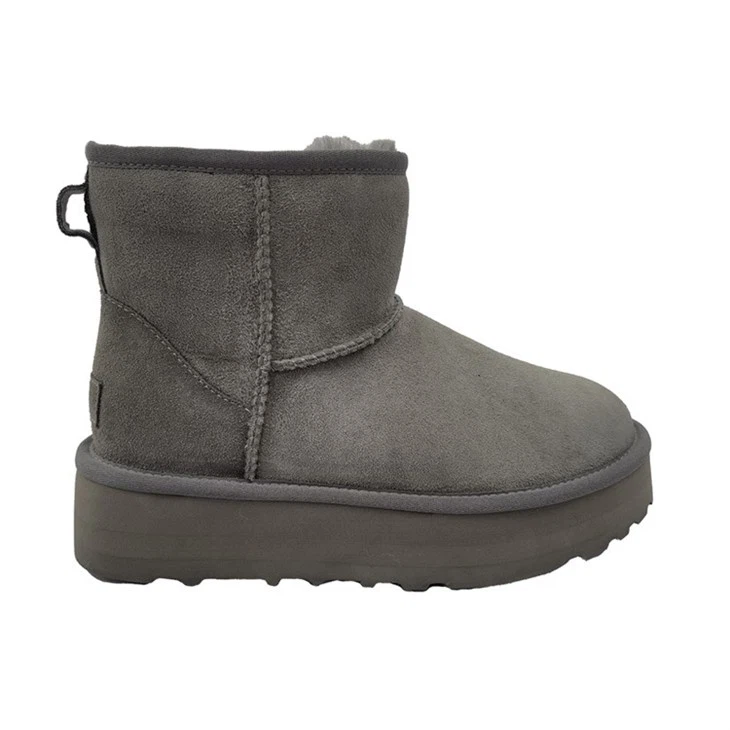
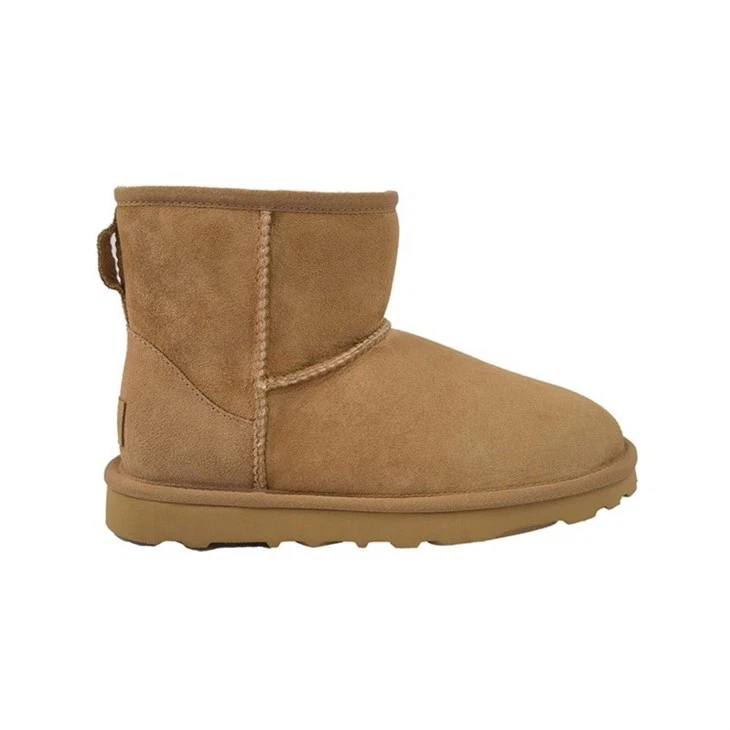
If you're interested in purchasing high-quality classic thick-soled snow boots, I encourage you to check out our selection of Womens Soft Winter Boots, Winter Wool Boots, and Sheepskin Winter Boots. Our boots are made from the highest quality materials and are designed to provide excellent insulation, waterproofing, and support.
If you have any questions or would like to learn more about our products, please don't hesitate to contact us. We're here to help you find the perfect boots for your needs and ensure that you have a comfortable and enjoyable winter season.
References
- "How to Break In New Boots," The Spruce, https://www.thespruce.com/how-to-break-in-new-boots-2145846
- "Breaking In Leather Boots: A Step-by-Step Guide," Boot Barn, https://www.bootbarn.com/blog/breaking-in-leather-boots-a-step-by-step-guide/
- "How to Break In Your Snow Boots," REI Co-op, https://www.rei.com/learn/expert-advice/breaking-in-snow-boots.html