


As a supplier of Chinese style woven shoes, I often get asked a common question: Are Chinese style woven shoes waterproof? This question is not only important for consumers who are considering purchasing these unique shoes but also for retailers and wholesalers who want to understand the product better before making a purchase decision. In this blog post, I'll delve into the nature of Chinese style woven shoes, their water - resistance capabilities, and provide some insights that can help you make an informed choice.
The Nature of Chinese Style Woven Shoes
Chinese style woven shoes are a traditional footwear style that has a long - standing history in Chinese culture. They are typically crafted using natural materials such as cotton, hemp, or silk. The weaving process is intricate, often passed down through generations, and it results in shoes with a unique aesthetic appeal. The designs can range from simple and minimalist to highly elaborate with detailed patterns.
The use of natural fibers in Chinese style woven shoes gives them several advantages. They are breathable, which makes them comfortable to wear for extended periods, especially in warm climates. The materials are also soft and flexible, conforming to the shape of the foot. However, these same natural materials also pose some challenges when it comes to water resistance.
Water Resistance of Chinese Style Woven Shoes
Natural fibers like cotton and hemp are porous. This means that they can absorb water easily. When exposed to rain or wet conditions, the shoes will soak up the water, becoming heavy and potentially losing their shape. Unlike synthetic materials that can be engineered to repel water, the natural fibers in Chinese style woven shoes do not have an inherent water - repellent property.
If you step into a puddle or get caught in a light drizzle, the water will start seeping into the woven fabric. The speed at which the shoes get wet depends on several factors, including the density of the weave and the type of fiber used. For example, a tightly woven cotton shoe might take a bit longer to get soaked compared to a loosely woven hemp one.
However, it's important to note that this does not mean Chinese style woven shoes are completely useless in wet conditions. With proper treatment, it is possible to enhance their water - resistance to some extent. There are various water - repellent sprays available on the market that can be applied to the shoes. These sprays create a thin layer on the surface of the fabric, causing water to bead up and roll off rather than being absorbed. But the effectiveness of these sprays is limited and temporary. They need to be reapplied regularly, especially after the shoes have been washed or worn extensively.
Situations Where Chinese Style Woven Shoes Can Be Worn in Wet Conditions
Despite their lack of natural water resistance, there are still some situations where Chinese style woven shoes can be worn in relatively wet conditions. For instance, if you are going to a short outdoor event where the chance of getting wet is low, such as a garden party on a slightly overcast day, you can take the risk. You can also wear them indoors in places where there might be a little bit of moisture, like a bathroom with a well - drained floor.

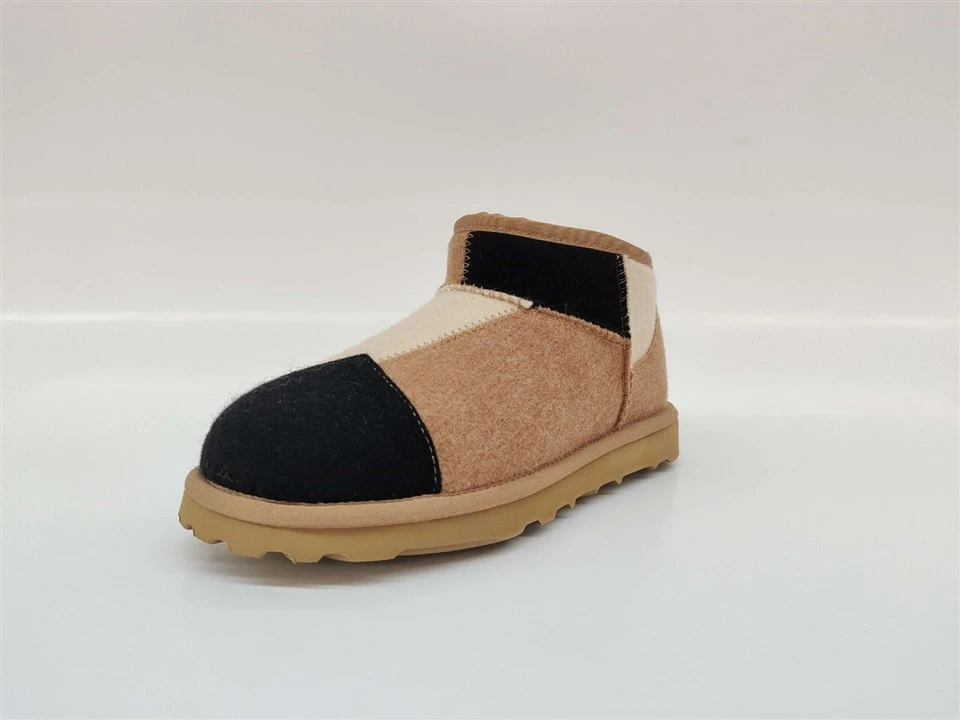
Another option is to wear waterproof shoe covers over the Chinese style woven shoes. This provides an extra layer of protection and allows you to enjoy the style of the woven shoes even when it's wet outside. You can find shoe covers in different materials and designs to match your needs.
Comparing with Other Types of Shoes
Let's compare Chinese style woven shoes with other types of shoes in terms of water resistance. For example, Women's Fur Integrated Hanging and Wool Felt Slip - on Loafers are often made with wool felt, which has better water - repellent properties compared to the natural fibers in Chinese style woven shoes. Wool is a natural fiber, but it has a unique structure that allows it to repel water to a certain degree. The scales on the wool fibers help to prevent water from penetrating deeply into the material.
In contrast, Chinese style woven shoes rely more on their style and comfort rather than water resistance. They are better suited for dry and warm weather conditions, where their breathability and softness can be fully appreciated.
The Market for Chinese Style Woven Shoes
Despite their limitations in water resistance, Chinese style woven shoes have a niche market. There is a growing interest in traditional and cultural products around the world. Many consumers are drawn to the unique designs and craftsmanship of these shoes. They are often seen as a fashion statement, suitable for both casual and semi - formal occasions.
For retailers and wholesalers, Chinese style woven shoes can be a great addition to their product range. They offer something different from the mainstream footwear options. However, it's crucial to educate the customers about the water - resistance issue. By being transparent about the product's limitations, you can build trust with your customers and avoid potential returns or complaints.
Conclusion and Call to Action
In conclusion, Chinese style woven shoes are not inherently waterproof due to the natural materials used in their construction. But with proper care and treatment, they can be made more suitable for light wet conditions. If you are a consumer looking for a unique and stylish pair of shoes, don't let the lack of water resistance deter you completely. Just be aware of their limitations and take appropriate precautions.
If you are a retailer or wholesaler interested in adding Chinese style woven shoes to your inventory, I invite you to explore our collection at Chinese Style Woven Shoes. We offer a wide variety of designs and colors to meet different market demands. We can also provide you with detailed information about the products and offer support in promoting them to your customers. Reach out to us to start a discussion about potential procurement and find out how we can work together to bring these beautiful shoes to your market.
References
- Footwear Technology Handbook, Second Edition, Edited by J. A. S. Watson
- Textile Science: An Introduction, by David L. Johnson